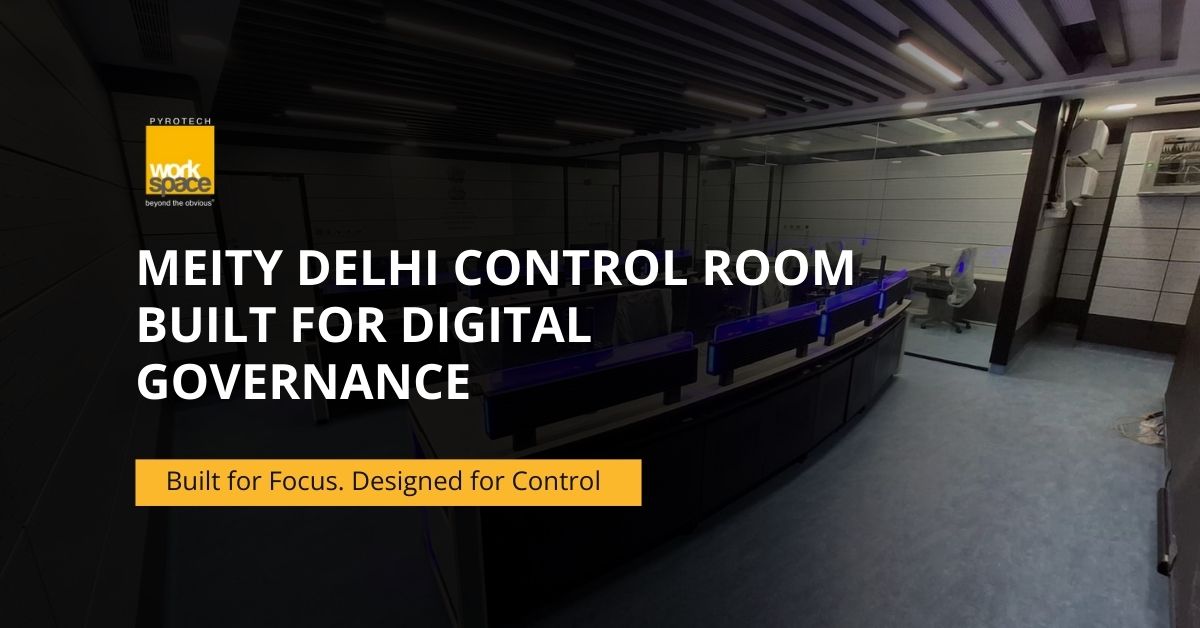

Designing a modern SOC Room Design is not just about assembling monitors and software. It’s about creating a high-performance environment where critical security decisions are made every second. A well-executed security room is a command hub where human attention, system reliability, and architectural accuracy intersect.
Whether it is surveillance for smart cities, cybersecurity for financial infrastructure, or process control in oil and gas, a functional and ergonomic control room solution is non-negotiable. As security threats evolve, so must the physical environment built to monitor and respond to them.
Why SOC Room Design Is Crucial
Security Operations Centers (SOCs) are built to operate around the clock. Poor layout, glare from displays, acoustic issues, and uncomfortable seating can result in slower reaction times, decreased alertness, and operator fatigue. A targeted approach to SOC Room Design that promotes operational and human efficiency is the solution.
A modern Security Room must accommodate:
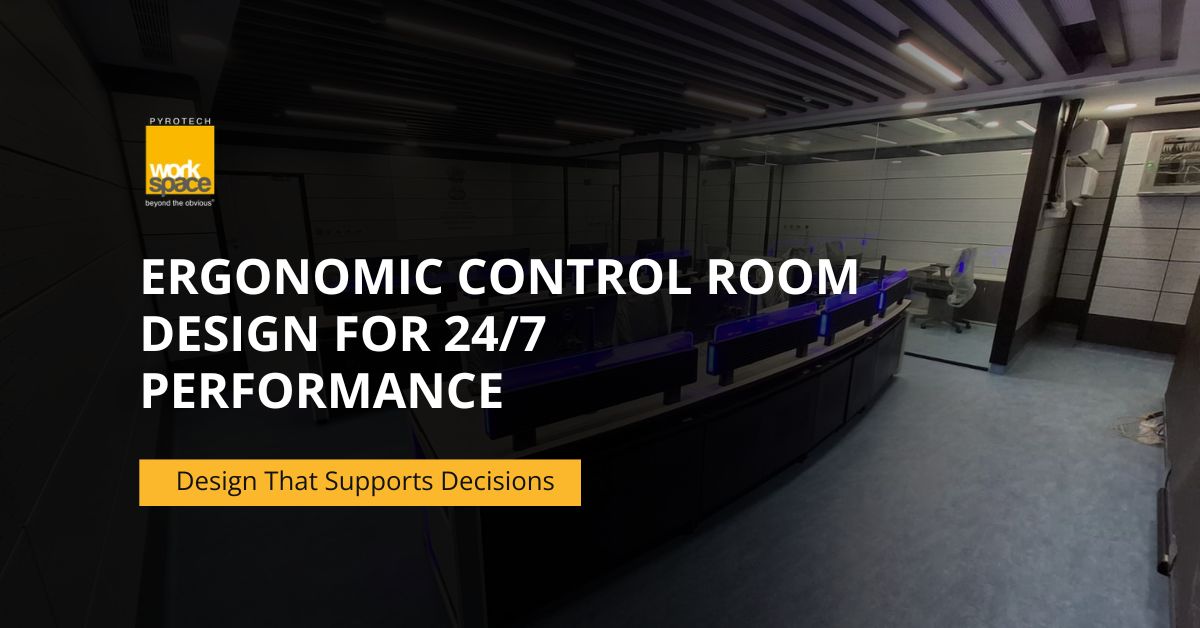
- Centralized video wall for situational overview
- Ergonomic operator consoles positioned for collaboration
- Zoned lighting to reduce strain and improve visibility
- Noise control through material selection and layout
- Uninterrupted power and network backup systems
Functional Control Room Interior Design
Just as important as the technology used by security experts is the atmosphere in which they work. A well-designed control room facilitates prolonged periods of focus and lessens operator fatigue.
Some core design principles include:
Ergonomic zoning – separating collaborative spaces from focused monitoring areas
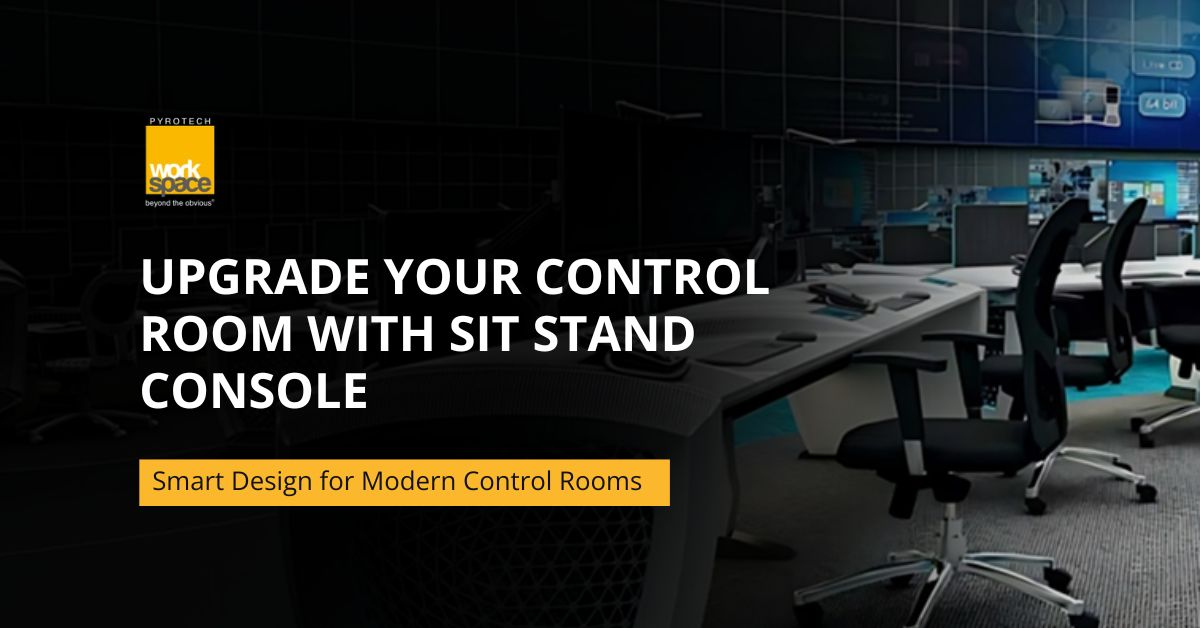
Modular consoles – adjustable for both seated and standing positions, enabling healthy work shifts
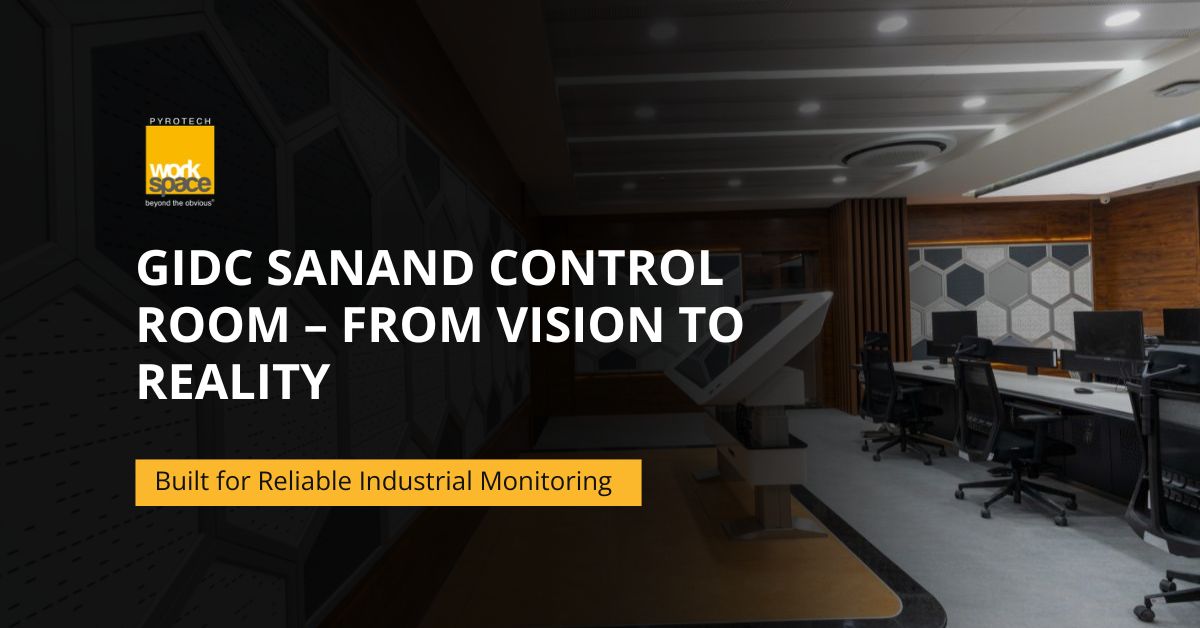
Acoustic planning – using materials that reduce ambient noise while maintaining speech clarity
Ambient lighting – minimizing glare while enhancing screen visibility
SOC Room Layout and Technology Planning
While technology integration is essential, placement and visibility matter just as much. In a well-designed SOC Room Design, sightlines between operators and the video wall must be uninterrupted. Equipment such as video processors, network racks, and control units must be positioned logically close enough for access but isolated to reduce heat and noise in work zones.
Redundant power, structured cabling, HVAC, and surveillance system layouts are all engineered in advance. These backend integrations support the front-end performance—where the human operators need total focus.

Adaptability for Industry-Specific Requirements
A control room solution must be tailored to its intended use. SOCs used in:
- Oil & Gas require integration with SCADA systems and field-level inputs.
- Power and Utilities need high alertness zones for real-time grid monitoring.
- Aviation and Marine demand compliance with international communication and safety protocols.
- Smart Cities and Surveillance require seamless integration of video feeds from hundreds of locations.
Security Room vs. Traditional Control Room
Unlike traditional industrial control centers, a Security Room prioritizes alert response over process control. This impacts the layout, lighting scheme, seating posture and even software dashboard arrangement. In many cases, these rooms also host inter-agency collaboration – which requires silent alert systems, privacy zones and digital tracking boards.
Modern SOCs are not just about monitoring—they’re about rapid interpretation and action. The design must reflect this functional shift.
Pyrotech Workspace Solutions: Trusted SOC Room Experts
Established in 2006, Pyrotech Workspace Solutions has delivered over 60,000+ Consoles and 450+ Control Rooms across critical sectors—including Oil & Gas, Power Plants, Marine, Smart City Surveillance.
With dedicated R&D, compliance-driven engineering, and a strong worldwide presence, Pyrotech has become a reliable name in mission-critical Control Room development.
The company specializes in SOC ROOMS designed to withstand tactical extremes while supporting real-time coordination. Their solutions are designed to satisfy ergonomic accuracy, high performance standards, and modular adaptability, giving the armed forces confidence and operational continuity.
FAQ
A SOC room specifically focuses on security monitoring and incident response, requiring specialized layouts, acoustic controls, and advanced alert systems.
Based on size and complexity, timelines range from 6 to 16 weeks
Yes, retrofitting existing infrastructure with ergonomic consoles, video walls, and secure layouts is common.
Industries like aviation, oil & gas, steel, cement, and smart surveillance contribute innovation in workspace control environments, many of which are adopted and upgraded for defense use.
ISO 11064 for ergonomics, HFDS for human factors, and client-specific standards for defense and aviation sectors.