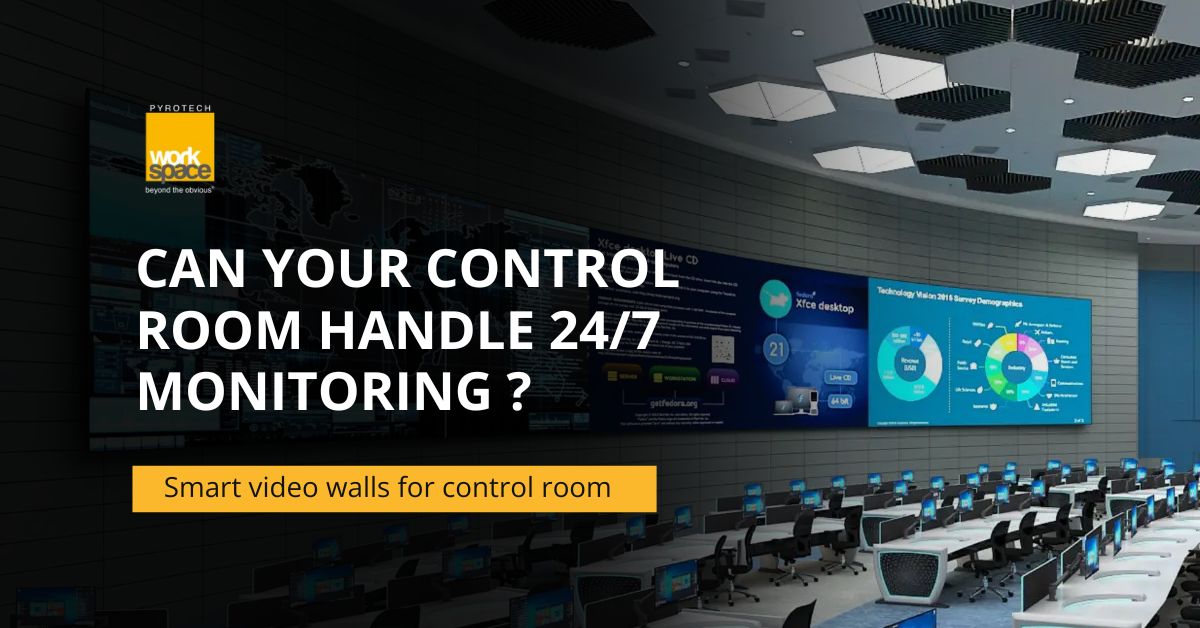

In mission-critical settings, operational clarity, safety, and efficiency are non-negotiable. However, short-term financial considerations frequently continue to skew the choice between purchasing a Control Room console designed especially for industrial operations or switching to a typical office workstation. To ensure compliance, operator performance, and long-term return on investment, it is essential to comprehend the operational differences between the two.
Understanding Smart Control Room Consoles
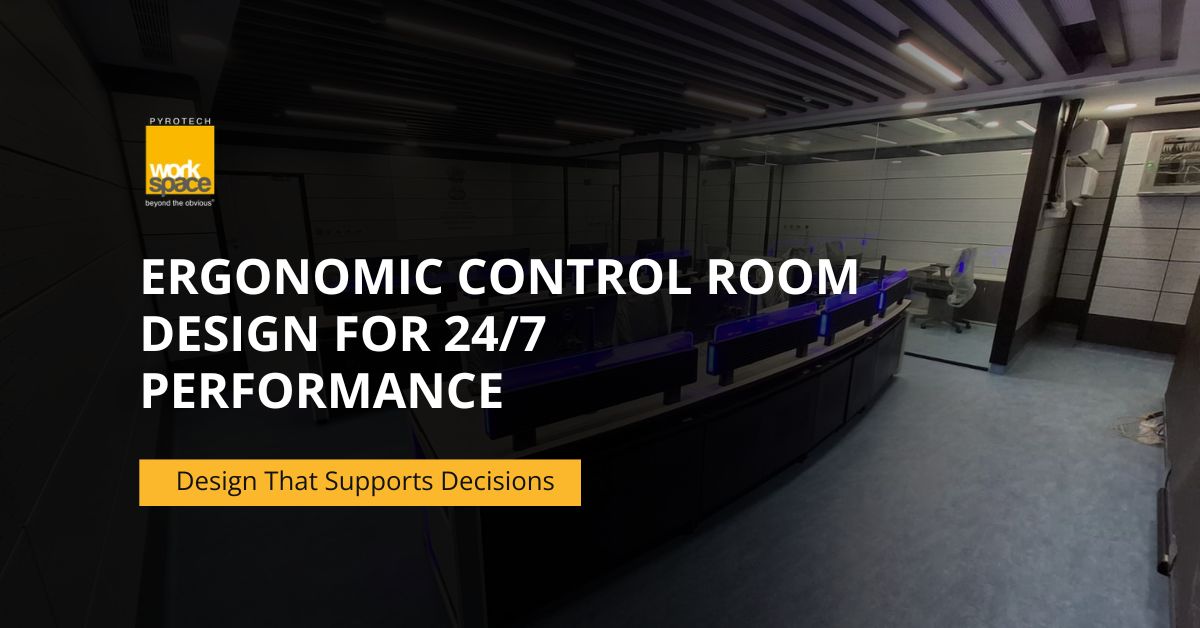
Smart Control Room Consoles are engineered technical furniture solutions built to suit 24×7 mission-critical environments. Unlike standard office workstations, which are generally designed for typical administrative or managerial functions, smart consoles focus on ergonomics, operator wellness, situational awareness, and control room design compliance standards such as ISO 11064 and OSHA guidelines.
Features typically include:
- Ergonomically contoured desktops for optimal monitor viewing angles
- Heavy-duty steel frame construction for high load-bearing requirements
- Integration-ready layouts for mounting multiple monitors, KVM switches, and process control hardware
- Advanced cable management to reduce clutter and hazards
- Operator-centric adjustability with motorised height adjustments for sit-stand operations
- Modular design ensuring reconfiguration flexibility as per operational workflows
Limitations of Standard Workstations
Standard office workstations, on the other hand, are multipurpose furniture options designed for usage in commercial offices. Although they work well for administrative duties, they are deficient in:
- Structural stability for heavy hardware installations
- Ergonomic adjustability required for 12-hour+ shifts
- Technical furniture compliance for control rooms
- Proper cable routing and cooling considerations for active hardware usage
- Seamless integration with control room solutions such as SCADA, DCS, and ESD systems
When deployed in a control room environment, standard workstations can induce operator fatigue, inefficiency, and ergonomic injuries, directly impacting productivity and increasing absenteeism risk.

Key Differences: Smart Consoles vs Standard Workstations
Parameter | Smart Control Room Console | Standard Workstation |
Design Standard | Built as per ISO 11064 ergonomic norms | General office furniture design |
Load Capacity | Engineered for heavy monitors & control equipment | Limited load capacity |
Ergonomics | Adjustable heights, optimal viewing angles, reduced fatigue | Basic sitting ergonomics only |
Integration | Designed for technical integrations & hardware management | Minimal provision for IT hardware |
Lifecycle | 15-20 years with modular upgrades | 5-7 years with limited adaptability |
Industries That Demand Smart Consoles
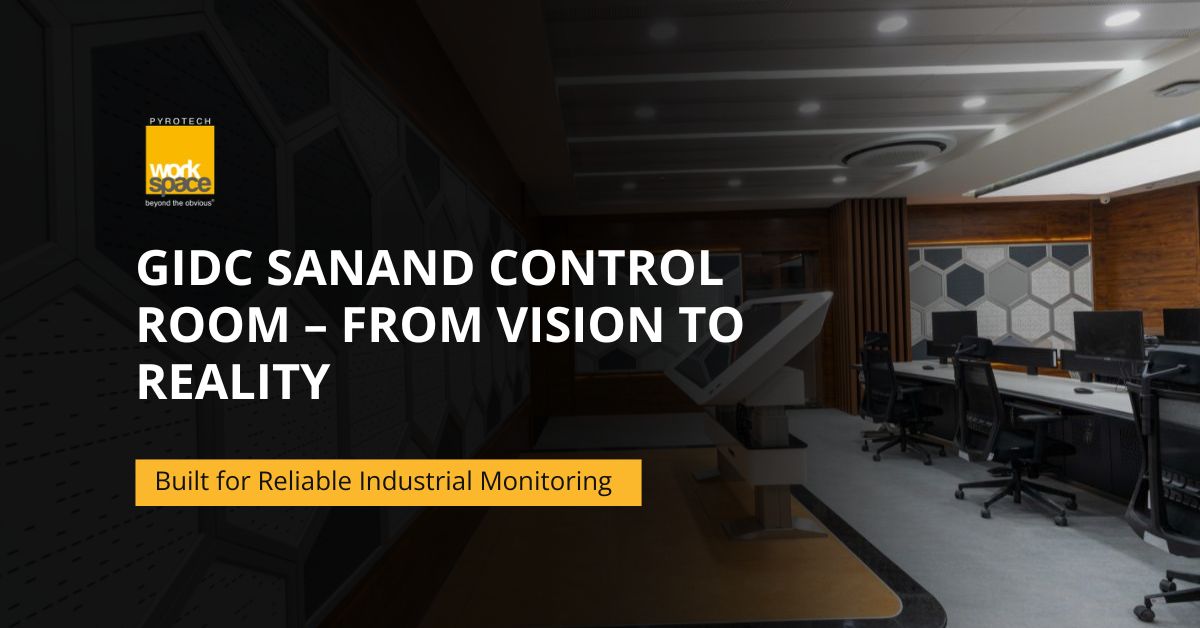
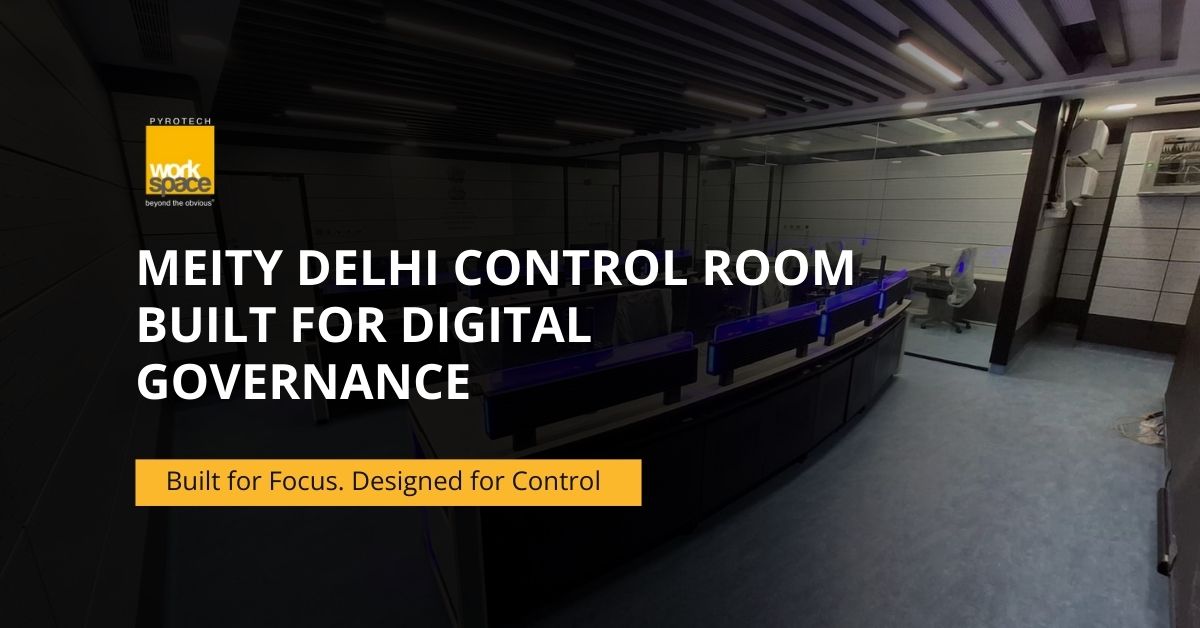
Critical industries such as Oil & Gas terminals, thermal & hydro Power Plants, Steel manufacturing, Aviation ATCs, Cement plants, Smart City Command Centres, and Surveillance Rooms deploy control room consoles to ensure human-factor-oriented operations, reliable system integration, and high situational awareness.
These sectors demand control room solutions that provide maximum operator comfort, equipment integration capability, and aesthetic harmony aligned with brand and process requirements.

Choosing the Right Control Room Solution
While standard office workstations may appear financially viable, the operational impact and ergonomic risks associated with their use in mission-critical areas outweigh initial savings. Smart control room consoles justify their investment by delivering:
- Enhanced operator productivity
- Reduced fatigue-related errors
- Better organisation of hardware and controls
- Compliance with global control room design standards
For organisations planning new command centres or upgrading legacy workstations, investing in technical furniture designed exclusively for control rooms ensures future-ready infrastructure aligned with industrial best practices.
About Pyrotech Workspace Solutions
Pyrotech Workspace Solutions, established in 2006, has been delivering control room console solutions that align with global ergonomic and operational standards. With over 60,000 consoles and 450+ control rooms delivered to Oil & Gas, Steel, Power, Aviation, Cement, Marine, Smart City, and Surveillance industries, solutions are tailored to optimise human-machine interaction and critical operations performance. .
FAQ
A Smart control room console generally lasts 15-20 years with modular upgrade possibilities depending on operational wear and maintenance standards.
Standard office workstations lack structural stability and ergonomic design required for mission-critical operations. Customisation remains limited compared to purpose-built technical furniture.
Ergonomic design minimises fatigue, reduces human errors, and enhances operator performance, which is critical in 24×7 monitoring environments.
Industries including Oil & Gas, Steel, Cement, Power Plants, Aviation, Marine, Smart City Command Centres, and Surveillance Rooms deploy smart consoles for efficient, safe, and compliant operations.