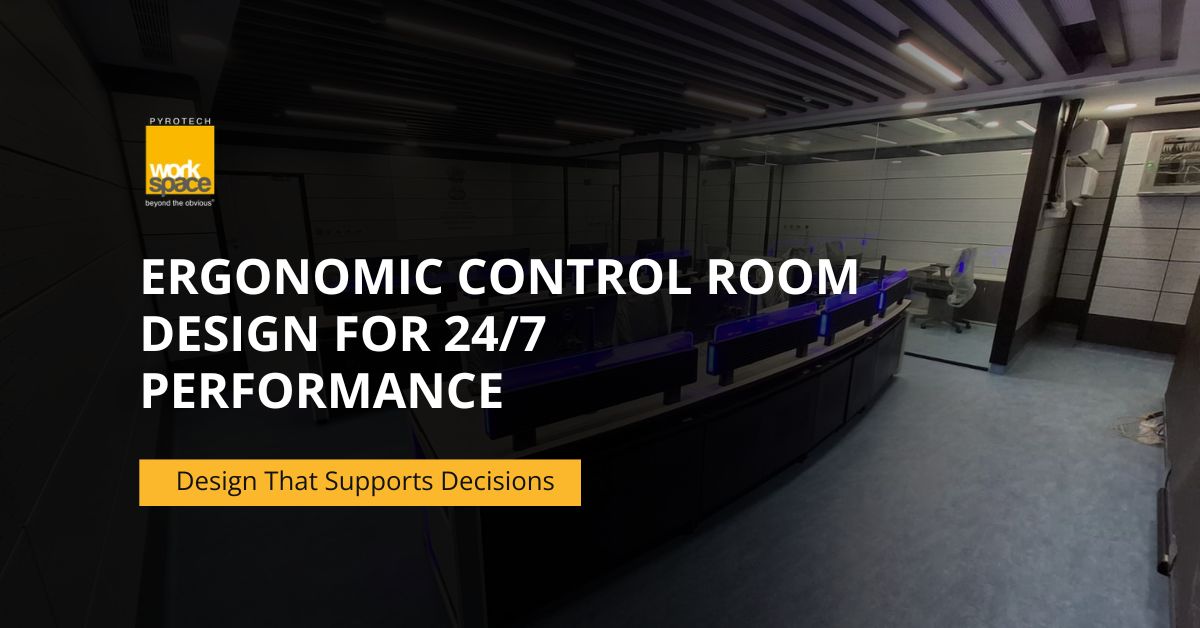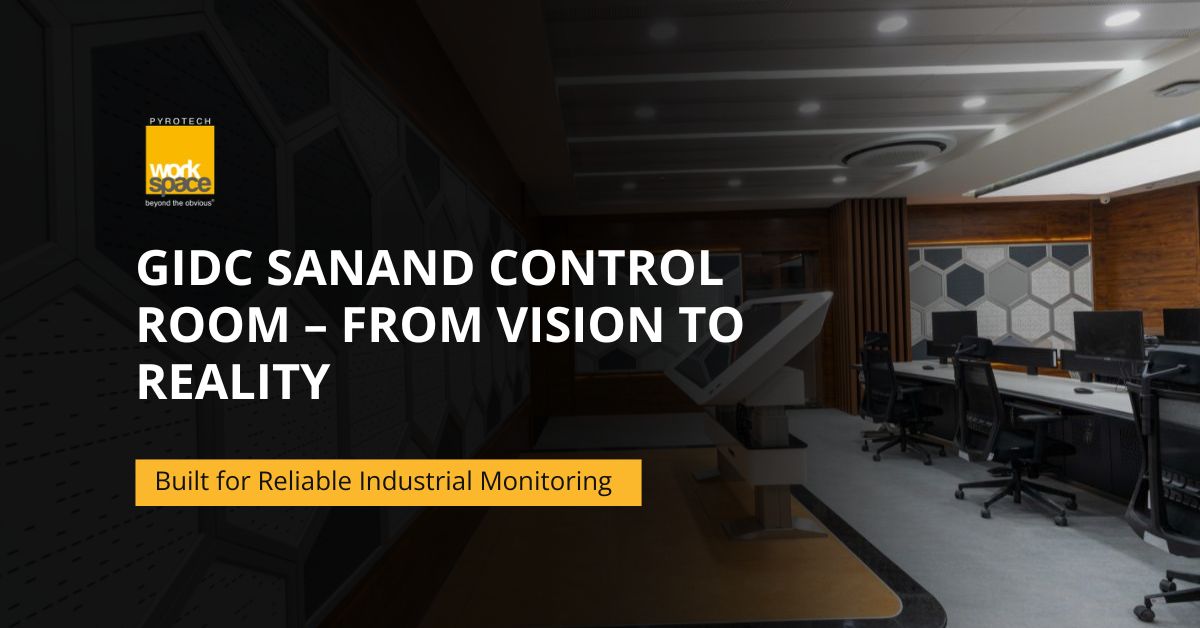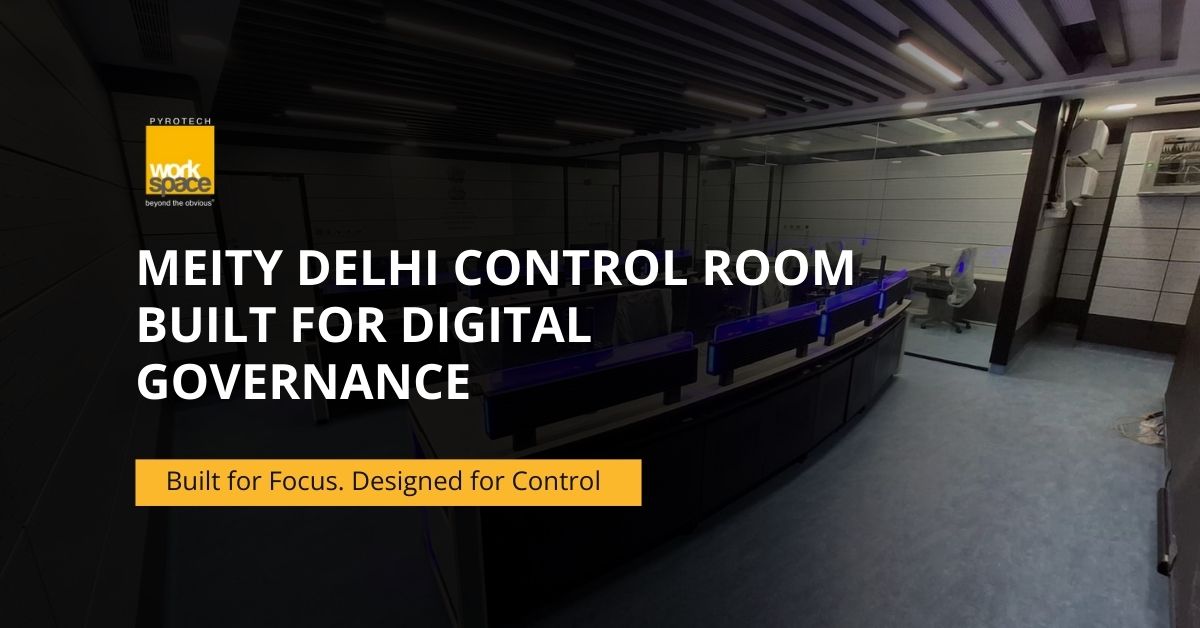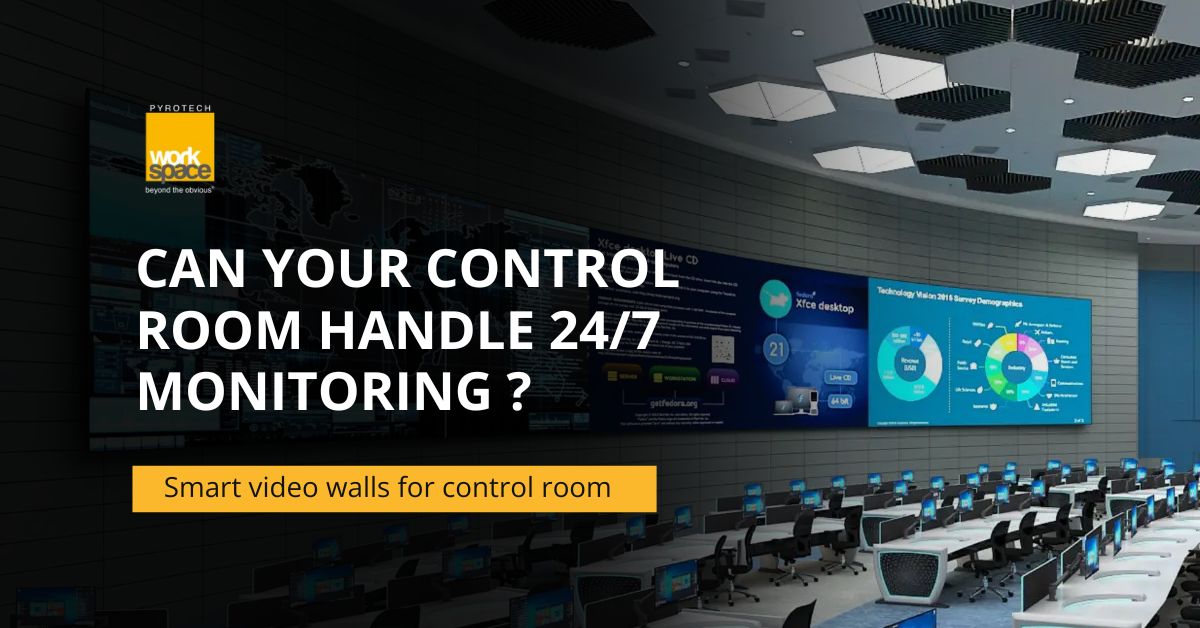

In today’s fast-moving world, Command and Control Centers play a vital role in managing operations, monitoring systems, and responding to critical situations. These centers are used in sectors like security, defence, transportation, utilities, airports, and emergency services. A well-planned interior is not just about looks—it directly affects performance, comfort, and decision-making. This is where smart control room design becomes essential.
A thoughtfully designed command center helps operators stay alert, work efficiently, and handle pressure without distraction. Let’s explore how proper interior planning supports modern Command and Control Centers and why every detail matters.
Understanding the Role of Command and Control Centers
Command and Control Centers are mission-critical spaces where teams work round the clock. Operators monitor screens, communicate with multiple departments, and take quick actions based on real-time data. Because of this, the interior must support long working hours, teamwork, and smooth workflows.
Poor layout or uncomfortable furniture can cause fatigue and errors. On the other hand, a well-designed command and control center design improves focus, reduces stress, and enhances overall efficiency.
Importance of Control Room Interior Design
Good control room design balances functionality with comfort. Every element—layout, lighting, furniture, flooring, and acoustics—must work together. The goal is to create an environment where operators can perform without strain.
Interior design also helps in managing cables, equipment, and movement within the room. Clean and organized spaces are easier to maintain and safer for daily operations.
Planning the Control Room Floor Plan
A clear control room floor plan is the foundation of any successful command center. The layout should be based on the number of operators, type of operations, and future expansion needs.
Key points to consider in a control room floor plan include:
- Clear sightlines to display walls or monitoring areas
- Proper spacing between workstations
- Easy movement for supervisors and technicians
- Separate zones for operations, support, and briefing
An efficient floor plan ensures that communication flows smoothly and operators can respond quickly during critical situations.
Ergonomic Workstations and Furniture
Operators in Command and Control Centers often work for long hours. Ergonomic furniture is not optional—it is a necessity. Adjustable consoles, comfortable seating, and proper desk height reduce physical strain and improve productivity.
Modern control room solutions focus on user comfort while supporting heavy equipment like monitors, CPUs, and communication devices. Well-designed workstations also help maintain a clean and professional look.

Lighting and Visual Comfort
Lighting plays a major role in command and control center design. Poor lighting can cause eye strain and fatigue, especially in 24/7 environments. A combination of ambient, task, and indirect lighting works best.
Glare-free lighting helps operators focus on screens without discomfort. The interior color scheme should also support visual comfort, using neutral tones that reduce stress and improve concentration.
Flooring and Acoustic Planning
Flooring is often overlooked, but it is an important part of control room design. Raised flooring is commonly used to manage cables and improve flexibility. It also supports future upgrades without disturbing operations.
Acoustic control is equally important. Noise from equipment, conversations, and alarms can affect concentration. Sound-absorbing materials in walls, ceilings, and flooring help maintain a calm and focused environment inside Command and Control Centers.
Pyrotech Workspace Solutions
Since 2006, Pyrotech Workspace Solutions has delivered over 450+ Control Rooms and 60,000+ Consoles to critical process industries. Specializing in turnkey control room solutions, design of ergonomic command centres, CCTV monitoring rooms and even setups resembling military control room precision, this company knows what works. Floor plans are engineered for real operator workflows, sightlines, safety norms, and flexibility. Lighting, acoustics, materials, climate, security all calibrated with experience from oil & gas, steel, power plants, aviation, smart city & surveillance sectors.
FAQ
Interior design plays a crucial role in Command and Control Centers by improving operator comfort, visibility, and workflow. A well-planned control room design helps teams monitor systems efficiently and respond faster during critical situations.
A clear control room floor plan ensures smooth movement, better communication, and proper equipment placement. It helps avoid clutter and allows operators and supervisors to work together without distractions.
Good control room design includes ergonomic furniture, proper lighting, effective cable management, acoustic control, and safe flooring. These elements together support long working hours and improve operational efficiency.
Modern control room solutions help organize workstations, manage cables, and support future upgrades. They make the command and control center more flexible, safe, and easy to maintain.
Yes, a well-planned command and control center design supports 24/7 operations by reducing operator fatigue, improving comfort, and creating a focused working environment suitable for round-the-clock monitoring.