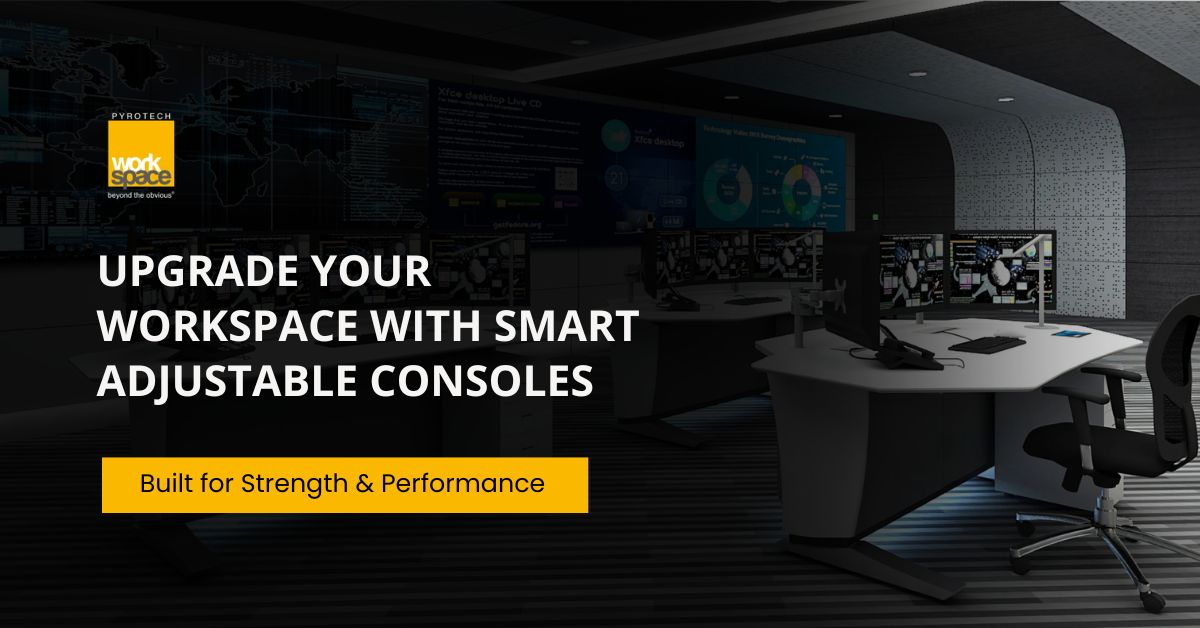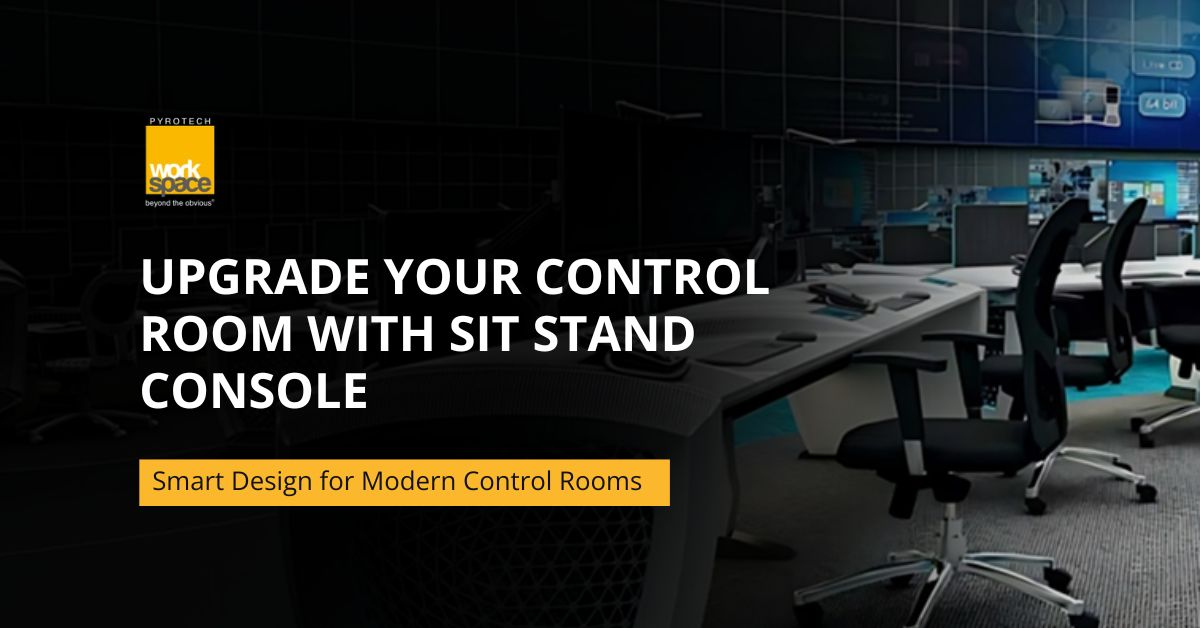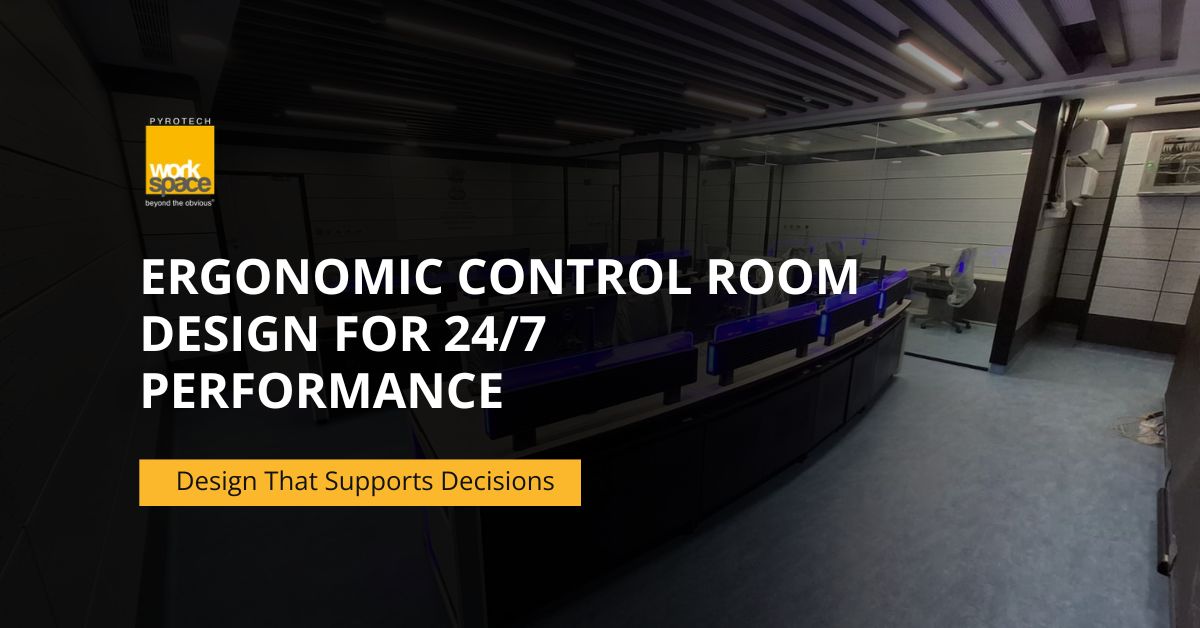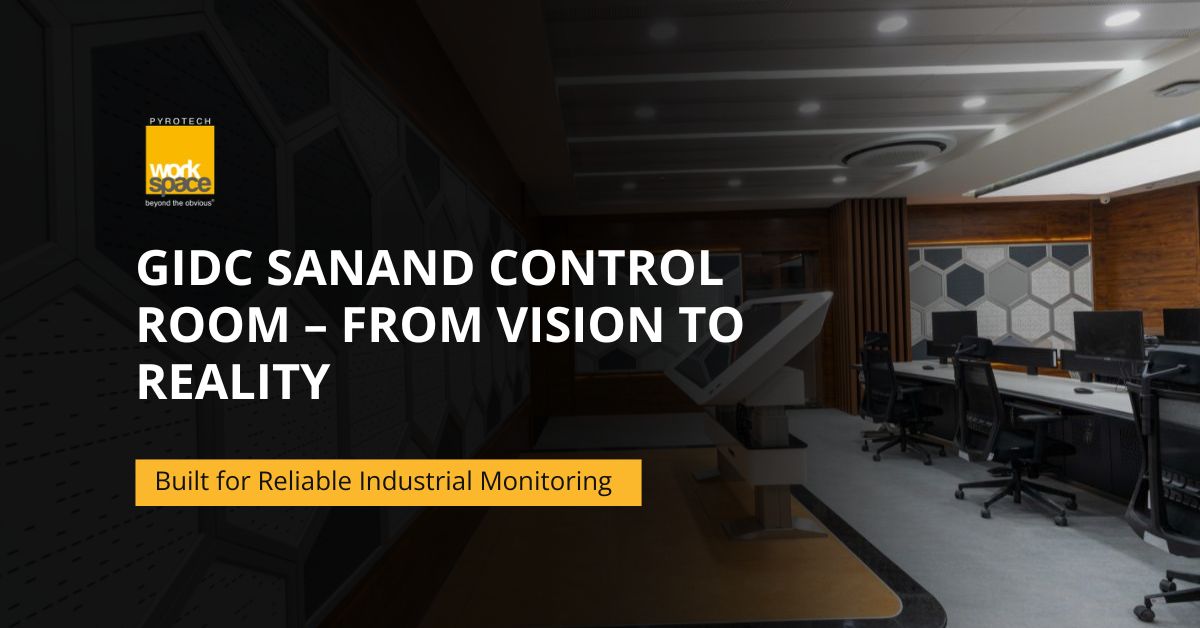

Large command centers manage complex operations every day. Whether it is monitoring security, managing city traffic, or supervising defence systems, operators must see critical information clearly and quickly. This is where a Control Room Video Wall becomes an essential part of the workspace.
A well-designed Control Room Video Wall helps operators view multiple data sources at once. It allows teams to monitor operations, respond to emergencies, and make quick decisions without confusion. In modern Control Room environments such as defence monitoring facilities, transportation hubs, and security centers, a video wall is often the central visual system.
This article explains how proper Control Room Video Wall design improves efficiency in large command and control centers.
Why Control Room Video Walls Are Important
In large operations, information comes from many systems—cameras, sensors, servers, and monitoring software. If operators cannot see this data clearly, decision-making becomes slower.
A properly planned Control Room Video Wall helps by:
- Displaying multiple sources of information on one large screen
- Allowing operators to monitor several systems at once
- Supporting quick response during emergencies
- Improving collaboration between teams
In a Mission Control Room or Surveillance Room, where teams monitor activities 24/7, visual clarity and real-time data visibility are extremely important.
Key Design Factors for Control Room Video Walls
Designing a Control Room Video Wall for a large command center requires careful planning. The layout must support operators, not distract them.
Screen Size and Layout
The size of the Control Room Video Wall should match the room layout and viewing distance. If the screens are too small, operators may struggle to read information. If the screens are too large or poorly positioned, they may cause eye strain.
Viewing Distance and Operator Position
Operators spend long hours monitoring systems. The Control Room Video Wall must be placed at a suitable viewing distance so information can be read easily without straining the eyes.
This is especially important in Mission Control Room environments where operators must stay alert during long shifts.
Content Organization
A video wall should not display random information. The content must be structured and easy to understand.
For example:
- Critical alerts should appear in central areas
- Live camera feeds can be arranged in grids
- System dashboards should be grouped logically
In a Surveillance Room, organized visuals help operators quickly identify unusual activities or security threats.
Lighting and Visibility
Lighting plays a major role in how well operators can see the Control Room Video Wall. Too much glare can make screens difficult to read, while poor lighting may reduce visibility. Balanced lighting ensures operators can view the screens clearly throughout the day and night.
Integration with Control Room Layout
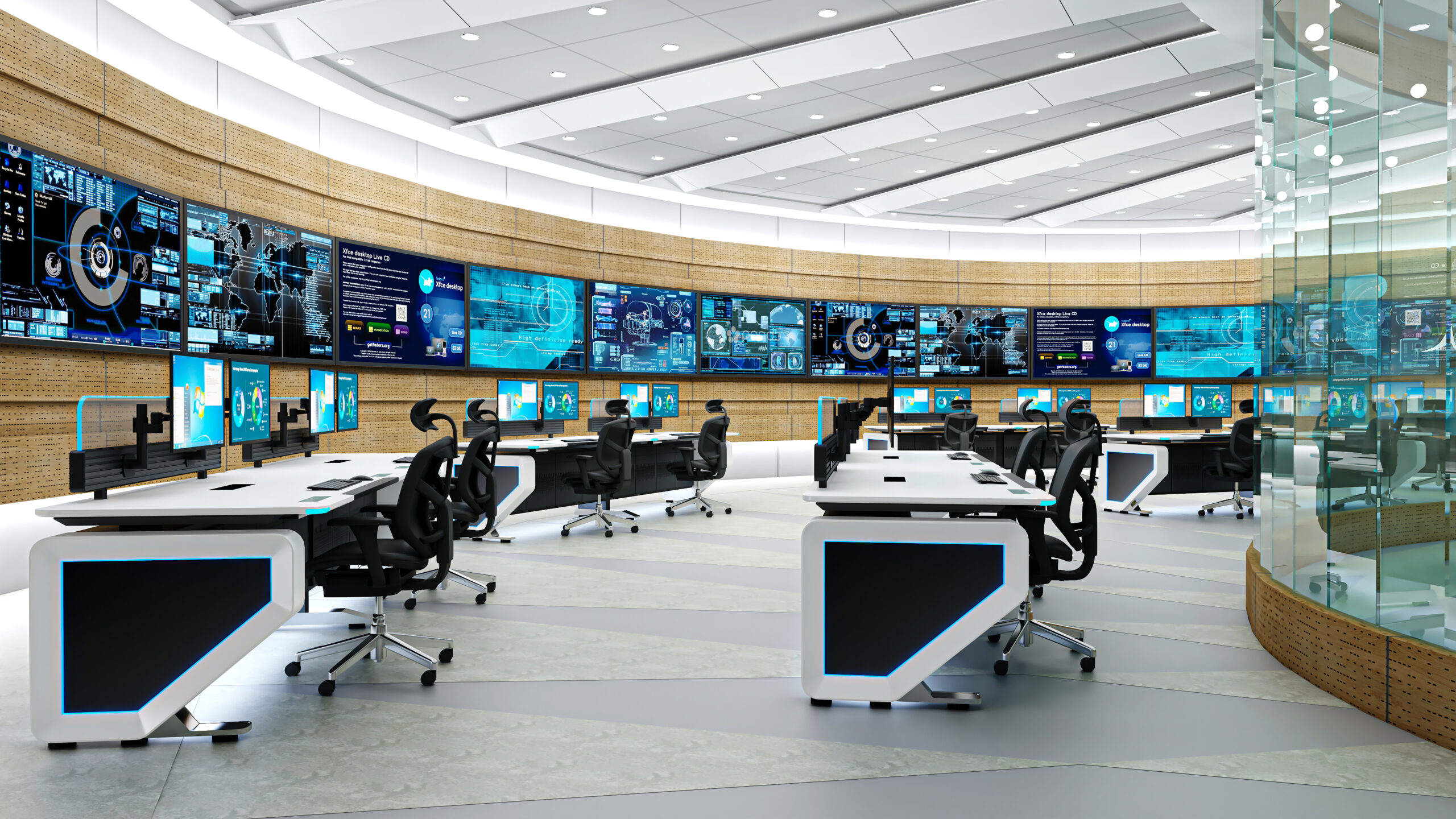
The Control Room Video Wall must work together with the overall Control Room layout. Operator desks, consoles, and seating positions should align with the display wall. This ensures that operators do not have to turn constantly or strain their necks while monitoring systems.
Applications of Control Room Video Walls
Defence Monitoring
Facilities working with Defence technology use video walls to monitor radar systems, satellite data, and security operations in real time.
Security and Surveillance
A Surveillance Room often monitors hundreds of cameras. A Control Room Video Wall allows security teams to view multiple locations at once.
Mission Control Centers
In a Mission Control Room, operators track complex operations such as aerospace activities, research systems, or national infrastructure.
Emergency Response Centers
Emergency teams rely on video walls to monitor incidents, coordinate response teams, and track field operations.
Benefits of a Well-Designed Control Room Video Wall
When designed properly, a Control Room Video Wall improves both performance and efficiency.
Key benefits include:
- Faster decision-making
- Clear visibility of critical information
- Improved team coordination
- Better monitoring of complex systems
- Enhanced operational awareness
For large command centers, these benefits can make a significant difference in handling real-time situations.
Pyrotech Workspace Solutions
lSince 2006, Pyrotech Workspace Solutions has delivered over 450+ Control Rooms and 60,000+ Consoles to critical process industries. Specializing in turnkey control room solutions, design of ergonomic command centres, CCTV monitoring rooms and even setups resembling military control room precision, this company knows what works. Floor plans are engineered for real operator workflows, sightlines, safety norms, and flexibility. Lighting, acoustics, materials, climate, security all calibrated with experience from oil & gas, steel, power plants, aviation, smart city & surveillance sectors.
FAQ
A Control Room Video Wall is a large display system used in control rooms to show multiple data sources such as camera feeds, dashboards, and monitoring systems on one screen.
Video walls help operators monitor complex systems, improve visibility, and respond quickly to incidents in a Control Room environment.
Important factors include screen size, viewing distance, lighting conditions, content layout, and integration with the overall Control Room workspace.
In a Surveillance Room, a Control Room Video Wall allows security teams to monitor multiple cameras simultaneously and quickly identify unusual or suspicious activities.
They are commonly used in Mission Control Room facilities, Surveillance Room environments, security centers, transportation monitoring centers, and defence operations.