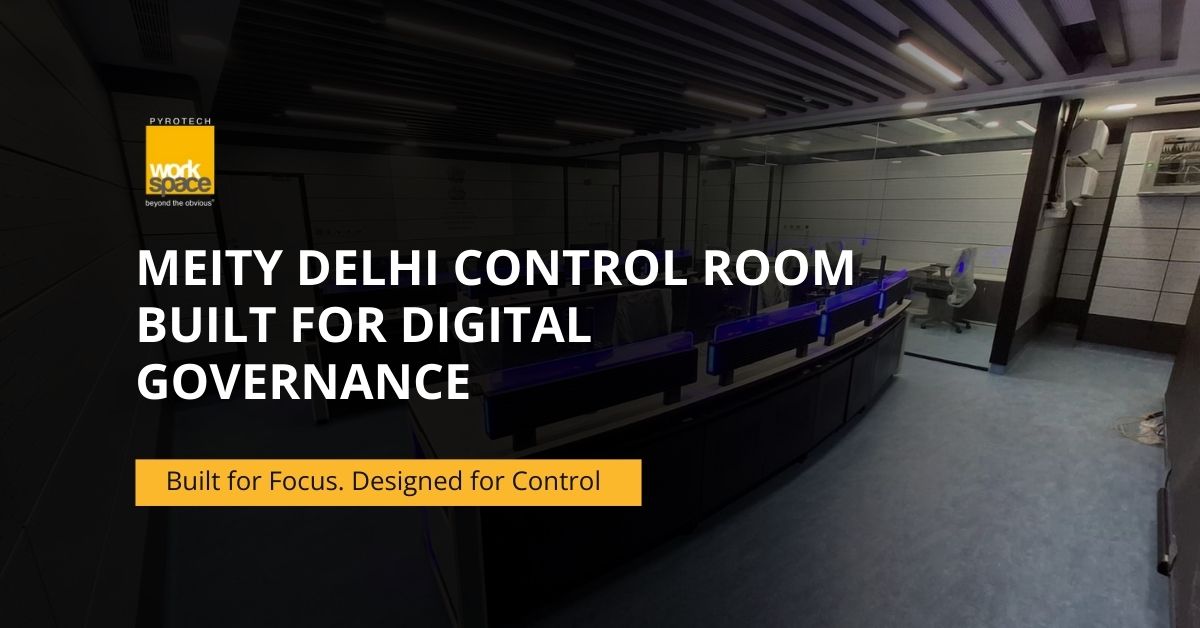
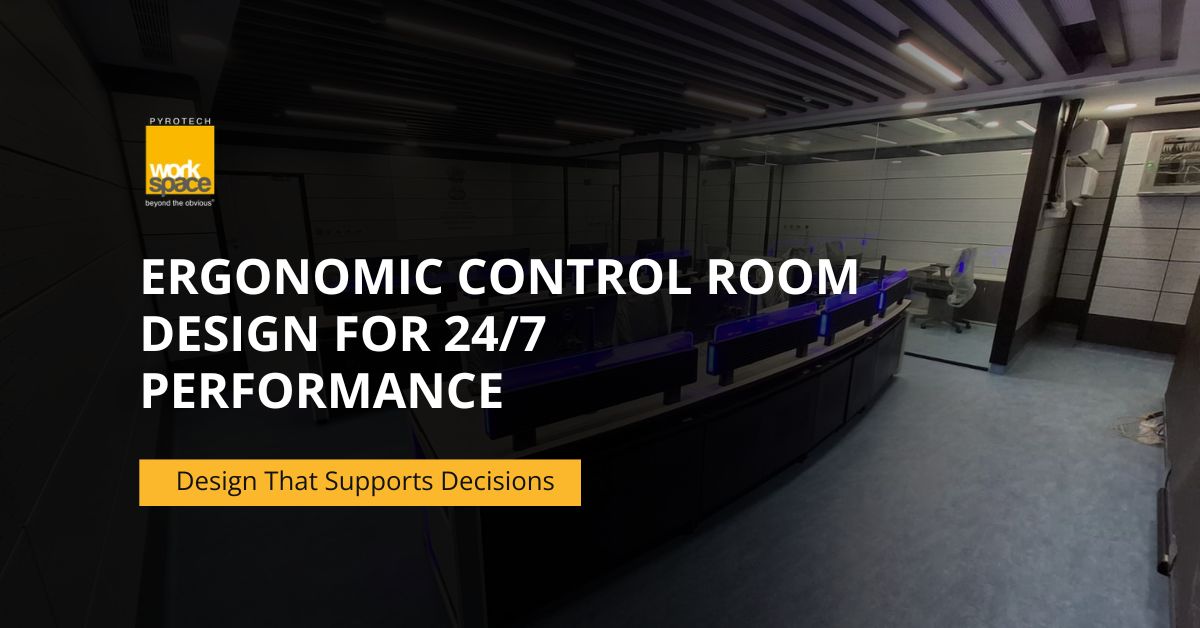
In today’s fast-moving industries, control rooms are the heart of operations. Whether it is an airport, power plant, oil & gas facility, surveillance center, or smart city command center, everything depends on quick decisions and continuous monitoring. That is why control room interior design plays a critical role in performance, safety, and operator well-being.
A well-planned control room is not just about screens and desks. It is about comfort, focus, workflow, and 24/7 efficiency. In this blog, we will explain how ergonomic control room interior design improves productivity and how the right layout, furniture, and planning make a real difference.
Why Ergonomics Matters in Control Room Interior Design
Operators in a control room often work long shifts. They monitor multiple screens, manage data, respond to emergencies, and coordinate with teams. Poor posture, bad lighting, and cluttered layouts can cause fatigue, stress, and even errors.
Ergonomic control room interior design focuses on:
- Proper seating posture
- Correct screen viewing angles
- Comfortable reach distance
- Noise control
- Smooth movement inside the room
When operators feel comfortable, they stay alert and focused. This directly improves performance and reduces operational risks.
Smart Control Room Floor Plan for Better Workflow
Every successful project starts with a proper control room floor plan. Without planning, even the best furniture cannot deliver results.
A well-designed control room floor plan ensures:
- Clear sightlines to video walls or display areas
- Easy communication between team members
- Proper spacing between consoles
- Safe movement during emergency situations
- Separate zones for supervisors and operators
In modern control room design, space planning is done according to the number of operators, type of monitoring, and future expansion needs. A flexible floor plan allows upgrades without disturbing daily operations.
Choosing the Right Technical Furniture
One of the most important parts of control room interior design is selecting the right technical furniture. Regular office desks are not suitable for control rooms. These environments require specially designed solutions.
Technical furniture in a control room includes:
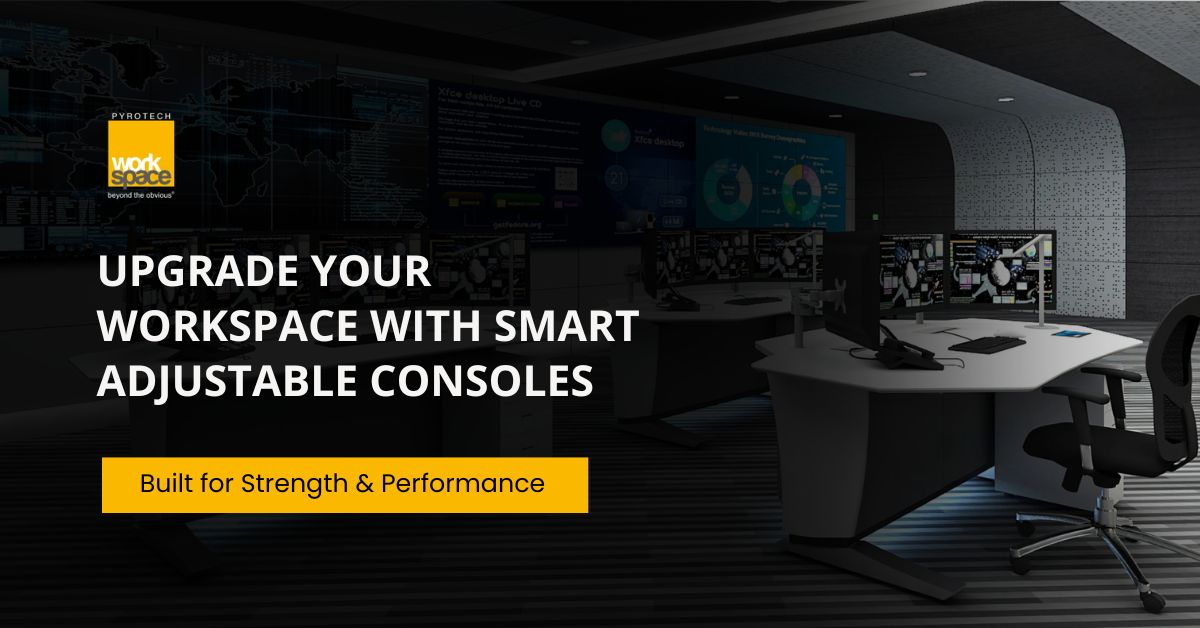
- Ergonomic control consoles
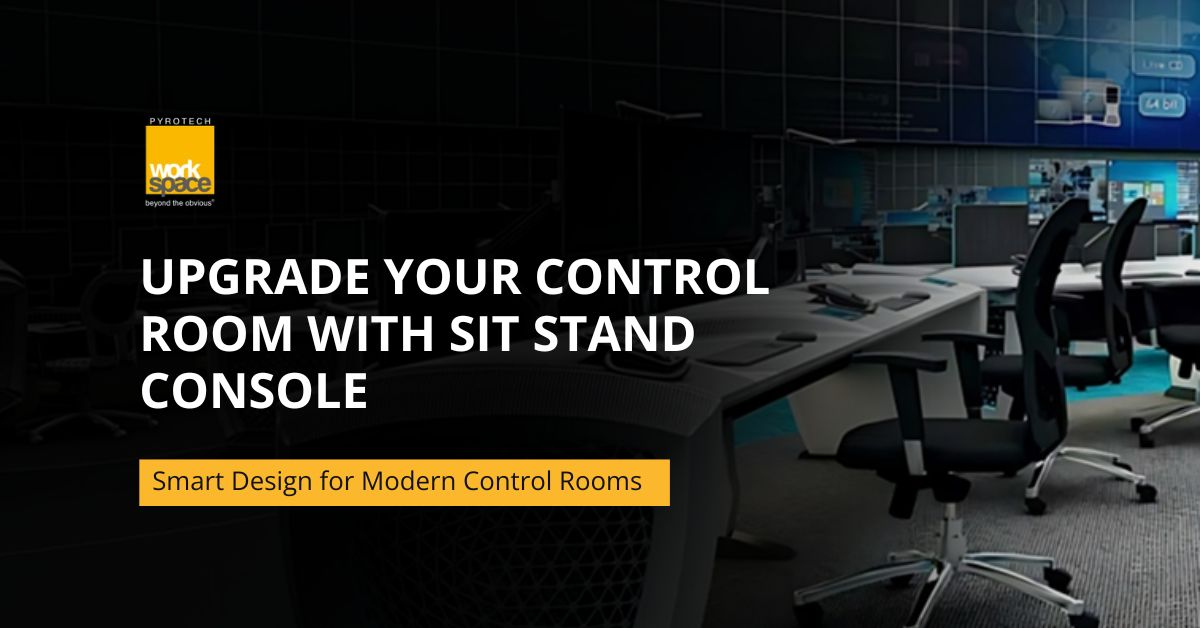
- Height-adjustable desks
- Monitor mounting systems
- Cable management systems
- Storage units
Good control room furniture design ensures that operators can sit comfortably for long hours without strain. Height-adjustable consoles allow sit-stand flexibility, which improves blood circulation and reduces fatigue.
Human-Centered Control Room Furniture Design
In ergonomic control room interior design, furniture is designed around people, not equipment.
Important features of good control room furniture design:
- Rounded edges for safety
- Adjustable monitor arms
- Proper leg space
- Ventilated panels for equipment cooling
- Easy maintenance access
Modern control room design also considers future expansion. Modular furniture systems allow easy reconfiguration when operations grow.
By combining smart technical furniture with a planned control room floor plan, companies create workspaces that support both operators and technology.
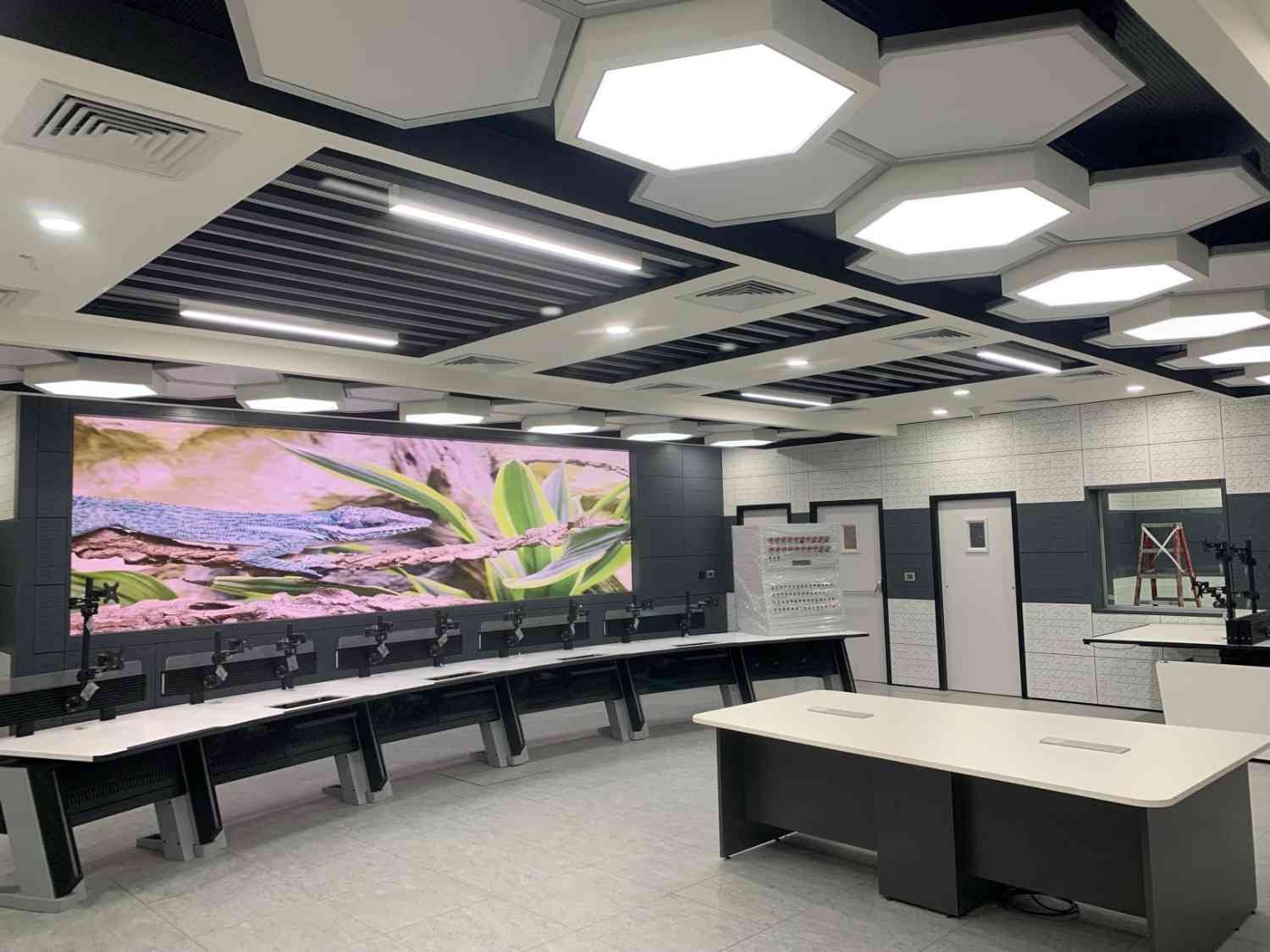
Long-Term Benefits of Ergonomic Control Room Design
Investing in professional control room interior design offers long-term advantages:
- Improved operator health
- Reduced errors
- Higher productivity
- Better team coordination
- Professional brand image
A well-designed control room reflects discipline and efficiency. It also shows commitment to safety and employee well-being.
Today, industries understand that control room design is not an expense. It is a strategic investment.
Pyrotech Workspace Solutions
lSince 2006, Pyrotech Workspace Solutions has delivered over 450+ Control Rooms and 60,000+ Consoles to critical process industries. Specializing in turnkey control room solutions, design of ergonomic command centres, CCTV monitoring rooms and even setups resembling military control room precision, this company knows what works. Floor plans are engineered for real operator workflows, sightlines, safety norms, and flexibility. Lighting, acoustics, materials, climate, security all calibrated with experience from oil & gas, steel, power plants, aviation, smart city & surveillance sectors.
FAQ
Control room interior design is the planning and arrangement of layout, furniture, lighting, and environment to create an efficient and comfortable monitoring space.
Ergonomics reduces operator fatigue, improves posture, and increases productivity, especially in 24/7 working environments.
A control room floor plan should include console placement, walking space, supervisor area, equipment zones, and future expansion space.
Technical furniture includes ergonomic consoles, monitor mounts, height-adjustable desks, and specialized control room furniture design built for continuous operations.
A well-planned control room interior design improves comfort, reduces errors, supports teamwork, and ensures smooth daily operations.