
Operators working in mission-critical environments such as oil and gas, steel, aviation, smart city surveillance, cement plants, power stations, and marine control centers often spend 8 to 12 hours at their stations. In such high-pressure setups, even minor design flaws in a control room console can result in operator fatigue, slower response times, and potential risk to safety. The workstation is not just a piece of furniture; it is the frontline tool for decision-making in critical operations.
The shift towards ergonomic command center consoles is more than an aesthetic preference. It is directly linked to productivity, safety, and long-term operator well-being. By promoting correct posture, easing operator strain, and allowing flexible arrangements, control room furniture transcends mere functionality to become a key operational asset.
Ergonomics and Productivity: The Connection
An ergonomic desk has a direct impact on cognitive attention, response time, and decreased weariness, according to numerous human factors design studies. A badly designed console can be a silent productivity killer for operators who are processing many inputs and keeping an eye on dozens of screens.
An ergonomic command center console ensures:
- Neutral posture support – reducing back, neck, and eye strain.
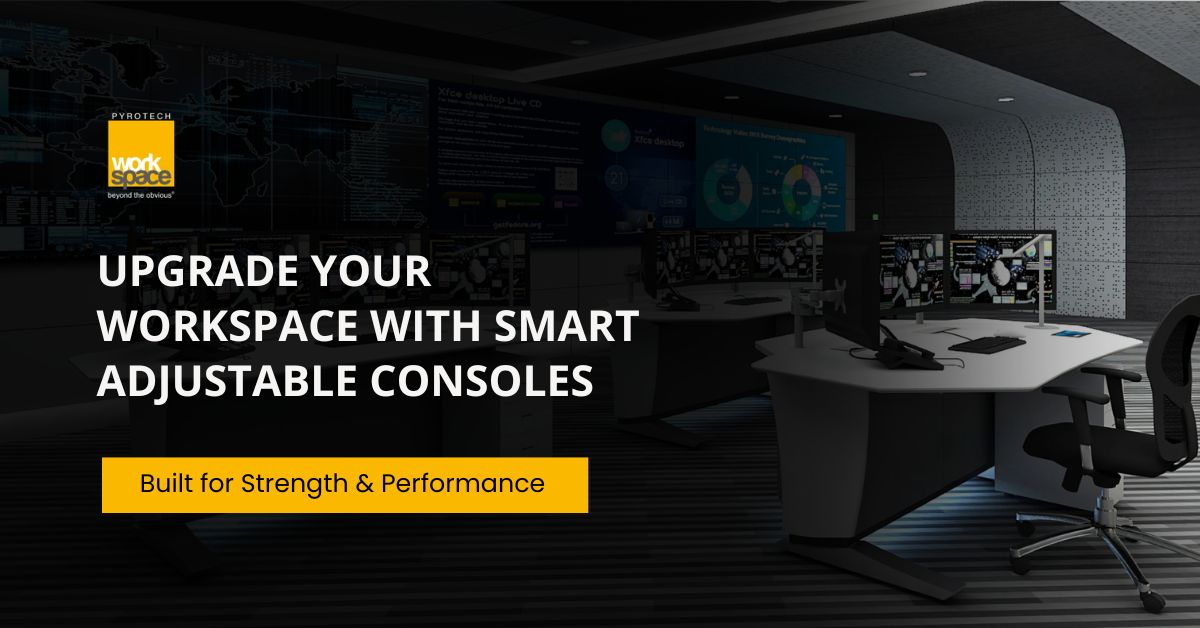
- Sit-stand flexibility –Sit-stand consoles enable operators to alternate between sitting and standing, helping reduce discomfort during long shifts.
- Optimized sightlines – preventing constant neck tilting or shoulder hunching when monitoring video walls and multiple displays.
- Intuitive reach zones – ensuring quick access to critical equipment without repetitive strain.
When operators are physically supported, their decision-making sharpens, downtime decreases, and overall operational productivity improves.
The Role of Technical Furniture in Mission-Critical Environments
The phrase “technical furniture” refers to more than just standard office furniture or workstations. In demanding industries, a control room console is designed to manage operations around-the-clock. These consoles, in contrast to ordinary furniture, are designed for:
- Durability under constant use
- Cable and equipment management for clutter-free operations
- Modular adaptability for technology upgrades
- Operator-centric design aligned with human factors engineering
Industries like power plants, aviation, and smart city surveillance cannot afford downtime. Here, a command center console is not just furniture—it is part of the operational command chain.

Sit Stand Consoles: A New Standard in Operator Health
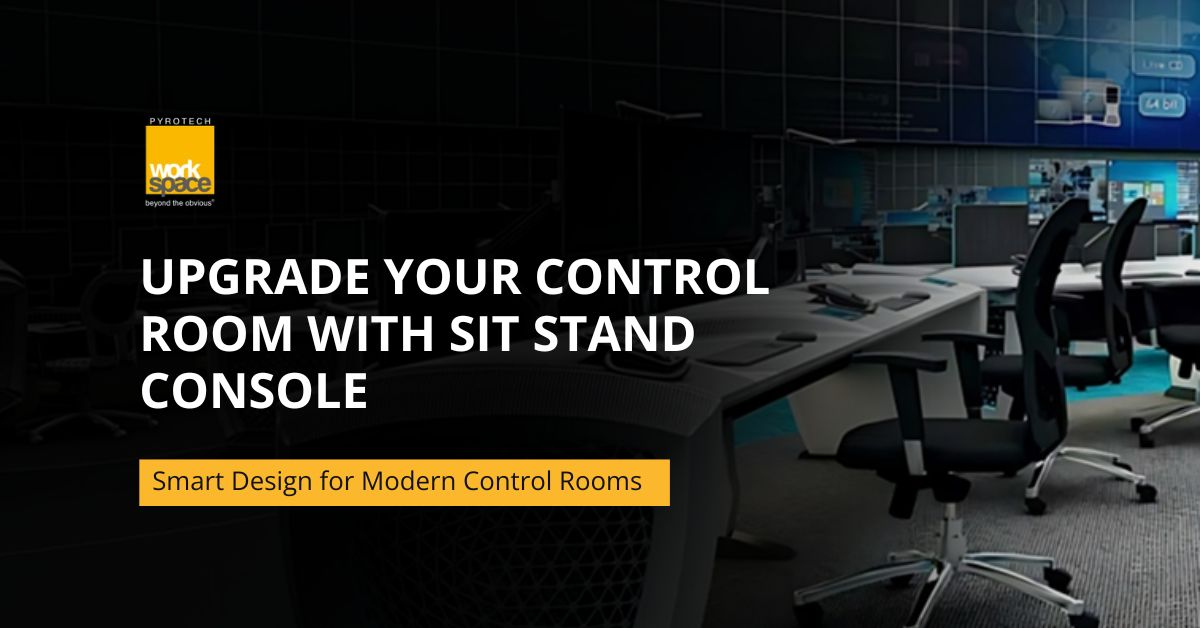
One of the most significant changes to control room design has been the emergence of the sit-stand console. Because they may switch between sitting and standing, operators can work longer shifts with much less weariness and more awareness. Flexible sit-stand posture has been associated in studies with greater long-term health, decreased musculoskeletal strain, and increased circulation.
In fast-response environments—whether a steel plant control room or a marine command hub—alert operators are critical. Small ergonomic interventions like these directly translate to faster, more accurate actions when every second counts.
Humanizing Technology with Ergonomic Design
Operational success is still determined by human performance, even as control room technology advances. A well-designed control room console strikes a mix between ergonomic operator positioning and cutting-edge gear. This equilibrium makes sure that the console adjusts to the human operator rather than the other way around.
Many critical industries have realized that ergonomic command center consoles that increase operator efficiency are often the source of productivity benefits rather than additional monitors or complicated systems.
Why Ergonomic Consoles Are a Strategic Investment
By minimizing operator fatigue, reducing mistakes in monitoring, and ensuring orderly cable and hardware setup, a productivity-oriented console supports efficiency and extends equipment durability. This translates into tangible ROI for large process industries and public infrastructure projects.
An ergonomic command center console is therefore not just an upgrade—it is a strategic productivity tool that safeguards both human and technical performance.
About Pyrotech Workspace Solutions
Pyrotech Workspace Solutions Pvt. Ltd. (PWSPL) has led the way in creating and providing top-notch control room solutions since 2006. PWSPL has continuously set standards for ergonomic control room furniture and technical furniture design, with over 60,000 consoles placed and 450 control rooms completed across industries including oil and gas, steel, electricity, aviation, cement, maritime, smart cities, and surveillance. Every control room console is engineered for reliability, operator comfort, and mission-critical efficiency.
FAQ
Ergonomics reduces operator fatigue, improves concentration, and allows faster response times in critical environments.
Sectors like oil and gas, steel, aviation, cement, marine, power plants, and surveillance rely heavily on ergonomic command center consoles.
A sit stand console allows operators to alternate between sitting and standing, improving circulation and reducing long-term strain.
Technical furniture refers to specialized control room furniture built for 24/7 usage, durability, cable management, and ergonomic efficiency.
Custom solutions are available at Pyrotech Workspace Solutions—a leader in ergonomic console design.